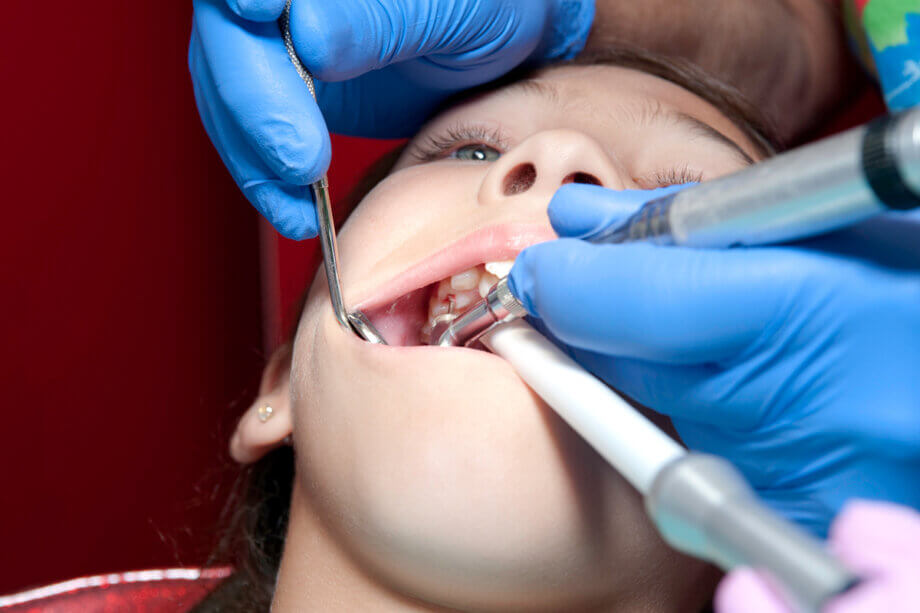
Tooth decay is common in children as it is with adults, perhaps even more so because children often lack the maturity and technique to care for their teeth effectively. Due to the small size of baby teeth, a cavity can easily become deep enough to put the tooth at risk for infection.
A baby tooth that is severely decayed may need specialized restorative treatment in the form of a pulpotomy. A pulpotomy is often referred to as a baby root canal, as it is performed on a primary (baby) tooth. This treatment can often save the tooth, allowing it to remain in place until it is naturally shed to make room for the permanent tooth.
What Is a Pulpotomy?
At the center of each tooth there is soft tissue called dental pulp. It is made up of blood vessels and nerves that aid in the development of the tooth. The pulp is susceptible to inflammation when bacteria enters the inner chamber of the tooth where the pulp resides, the root canal. This causes sensitivity to temperature changes, like hot and cold. It can also cause spontaneous pain especially when chewing.
During a pulpotomy the affected tissue is removed from the crown of the tooth and medication is applied to the remaining pulp. The tooth is filled and sealed, then covered with a crown in most cases to protect it from further decay or damage.
Why Baby Teeth Still Need Treatment
Parents often question the importance of a pulpotomy since baby teeth eventually fall out. However, unless the tooth is ready to be shed soon, it is in the child’s best interest to treat and save it. Baby teeth serve many important purposes, including:
- Eating. Baby teeth are essential for biting, chewing, and swallowing properly, even in young children.
- Speech development. The presence of baby teeth aid in speech development and proper pronunciation of sounds and words.
- Guiding permanent teeth. Baby teeth serve as place holders for the permanent teeth, helping to guide them into the proper place as they come in.
Leaving decayed teeth untreated can result in pain, abscesses (pimple-like bumps on the gums), and misalignment and improper development of adult teeth. A pulpotomy can preserve the tooth until it is shed naturally.
Signs Your Child May Need a Pulpotomy
- Persistent tooth pain or sensitivity
- Visible cavities or severe decay
- Swelling or infection around a tooth
- Sensitivity to hot or cold foods
If your child has any of these signs it is essential to seek a professional diagnosis from a pediatric dentist. After collecting and examining X-rays, a treatment plan can be created that is in the best interest of the patient.
What to Expect During a Pediatric Pulpotomy
The steps in a pediatric pulpotomy are as follows:
- Anesthesia is applied to numb the area being treated.
- A small hole is made in the crown of the tooth to access the root canal.
- The pulp is removed and the root canal is disinfected.
- Medication is administered to the remaining pulp to prevent future infection.
- The tooth is filled and sealed.
- A crown is placed over the tooth for protection from future damage.
The treated tooth may be a little sensitive in the days that follow the procedure. Providing a soft diet and offering over the counter pain medication should be sufficient to help your child feel comfortable.
How Dentists Help Prevent the Need for Pulpotomies
Regular dental visits can help prevent severe tooth decay and the need for pulpotomy. Through preventive dental care such as teeth cleanings, fluoride treatments, and dental sealants, cavities can often be prevented. Small cavities can be detected early and treated before they become deep enough to allow an infection to set in. Pediatric dentists also teach healthy brushing, flossing, and diet habits for children that can decrease the risk of tooth infections.
Protecting Your Child’s Smile with Early Dental Care
A pulpotomy is a safe and effective way to save a baby tooth until it is ready to fall out on its own. By preserving the tooth it can remain in place until the permanent tooth is ready to come in. When parents schedule regular checkups, dental issues can be detected early and treated in a timely manner for the best possible outcomes. Call Pediatric Dental Associates of Clinton at 908-735-6300 or contact us today to schedule an appointment.
Frequently Asked Questions About Pediatric Pulpotomies
Is a pulpotomy painful for children?
Local anesthesia and child-friendly techniques help ensure comfort during treatment. Nitrous oxide is a mild sedation option to help children who are anxious or fearful of dental care.
Is a pulpotomy the same as a root canal?
A pulpotomy is similar to a root canal, but it is less extensive and designed specifically for baby teeth. During a root canal, all of the dental pulp is removed, which is more effective for the preservation of permanent teeth.
At Pediatric Dental Associates of Clinton, we are committed to helping children maintain healthy, confident smiles through compassionate and specialized dental care. Our team focuses on preventive care, early treatment, and education so families can feel confident about their child’s oral health. If you have questions about your child’s dental needs or would like to schedule a visit, contact us today.